
AR/VR Testing +380 93 441 26 05 help@selmurat.com
Selmurat
Selmurat
AR/VR Product Testing & Debugging
About Selmurat

AR & VR Testing
Done Carefully

Selmurat specialises in product testing and debugging for augmented and virtual reality environments. The work is methodical, the findings are documented, and the process does not cut corners.

9yrs Active since 2016
38+ Products tested
12eng QA specialists
AR VR testing environment at Selmurat
What we do

Testing AR/VR before it reaches real users

Most AR and VR bugs are invisible until a headset is on someone's head. Selmurat builds structured test environments that catch spatial anchoring failures, latency spikes, and rendering inconsistencies before release.

The team works directly with device hardware — Meta Quest, HoloLens, Varjo, Pico — and does not rely on emulation for final validation passes.

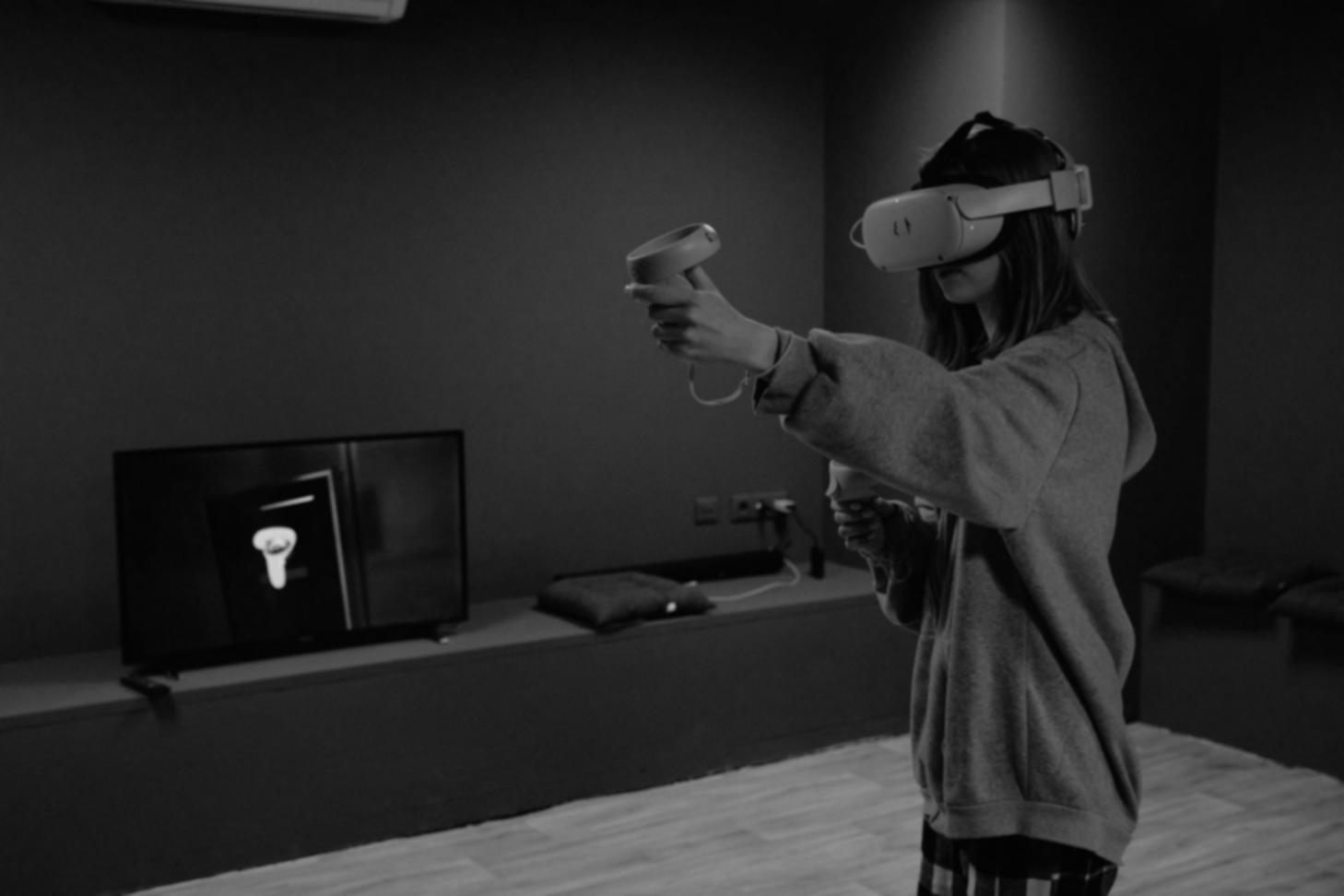
VR headset testing session

Device-first validation

Every test cycle runs on physical hardware, not simulated environments. Drift, frame drop, and tracking loss are logged per device and build version.

( spatial accuracy matters )
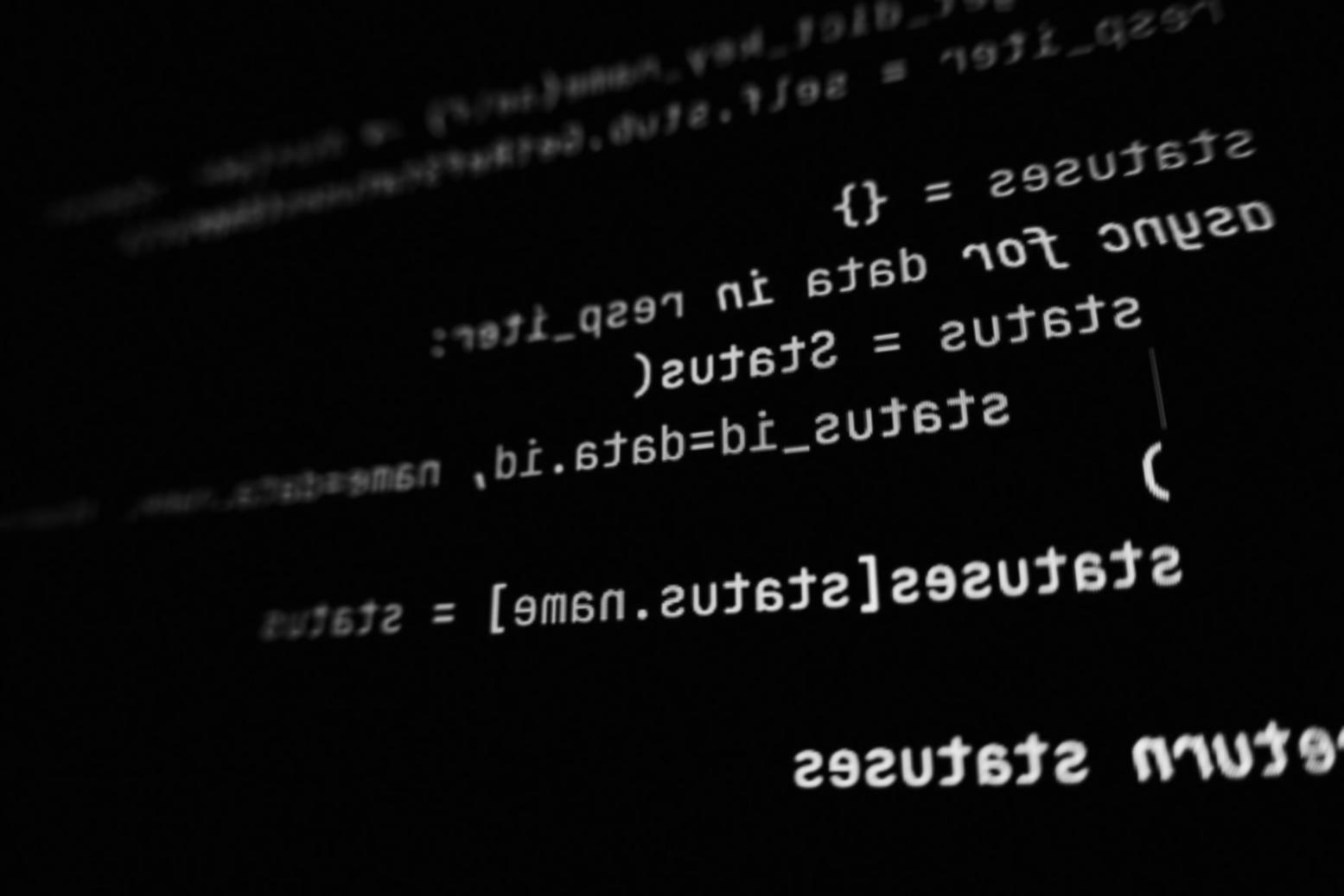
QA engineer reviewing AR debug output

Debugging in AR and VR is not the same as debugging a flat application. Coordinate systems, field-of-view boundaries, and haptic timing all require separate validation paths.

  • Spatial anchor regression testing
  • Latency and frame-rate profiling
  • Cross-device compatibility checks
  • Haptic and audio synchronisation
  • Structured defect documentation

Coverage across Ukraine

Selmurat operates remotely with clients across the entire country. Device shipment, remote session coordination, and asynchronous reporting are all part of the standard engagement.

The people behind the test reports

Small enough to communicate directly, experienced enough to handle edge cases that larger QA firms typically miss.

Daryna Kovalchuk, Lead QA Engineer at Selmurat Daryna Kovalchuk Lead QA Engineer

How a test cycle actually runs

Each engagement begins with a build intake — the team documents the target platform, SDK version, and known issues from the development side. From there, test cases are written against the specific interaction model of the product, not a generic checklist.

Defect reports include reproduction steps, device context, build hash, and video capture where the failure is not obvious from log output alone.

Before testing
Anchor drift undetected in build
Frame drops logged only on crash
Haptic delay not measured
No cross-device comparison
After testing
Drift logged per session, per device
Frame profiling on 4 headset models
Haptic sync verified against audio
Defect report with video evidence

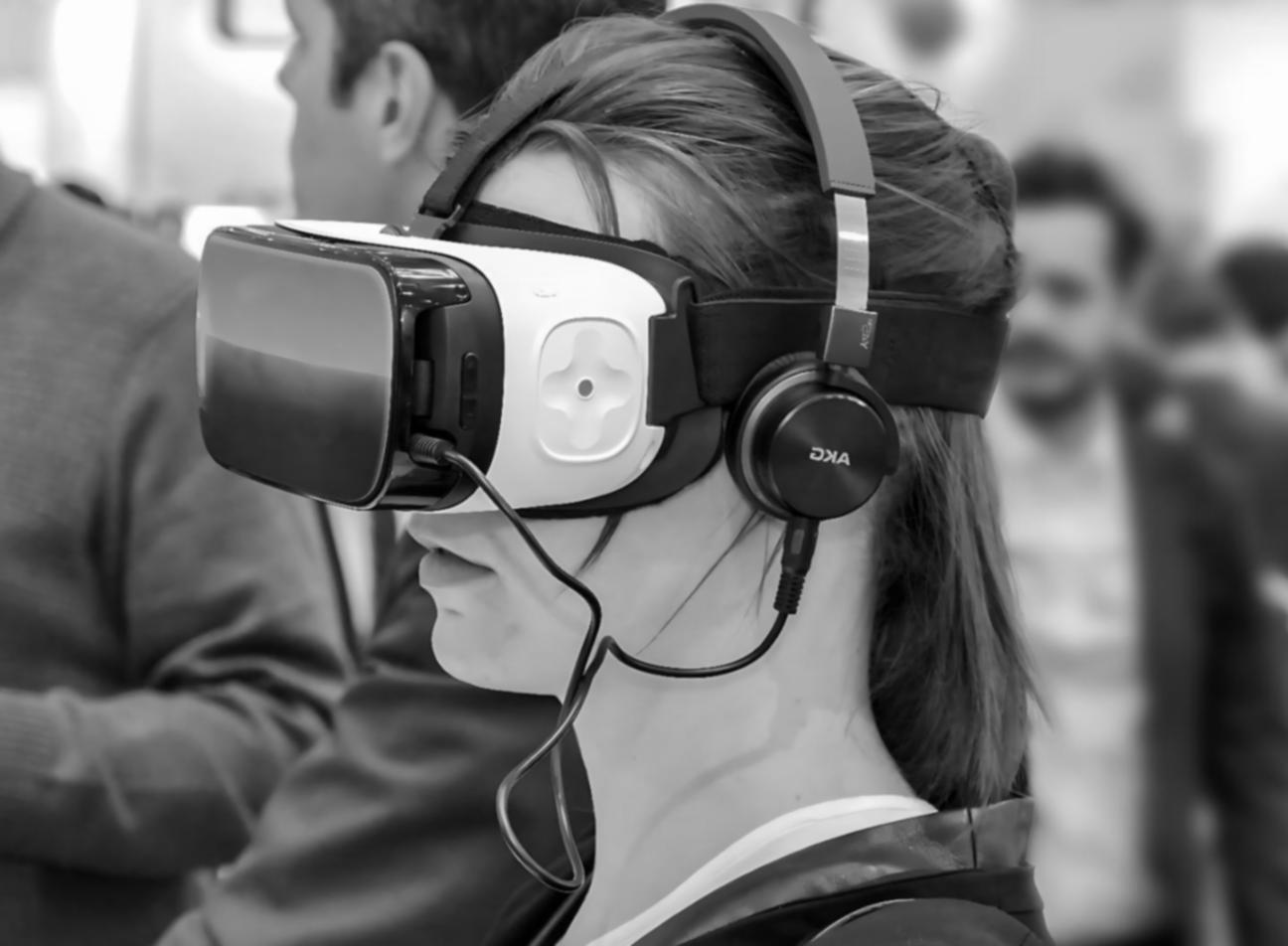
Hardware test lab with multiple VR headsets